

Why Am I Always Bloated? Here’s Everything to Know About Bloating

Bloating has a way of showing up uninvited. You wake up fine, eat normally, and by afternoon, your stomach feels like a balloon. Many people shrug and blame food or stress. Others assume it’s just how their body works. The truth sits somewhere else. Bloating is common, but constant bloating is usually a signal. Let’s unpack what science says, minus the medical lecture.

Digestion Speed Matters More Than You Think

That tight, puffy feeling doesn’t mean something is “wrong” with you. It means something is happening inside your gut. Once you understand the triggers, the mystery fades. Relief often follows. See, your digestive system runs on timing. When food moves too slowly, gas builds up. When it moves too fast, nutrients don’t absorb well. Both situations can cause bloating. Slow digestion often comes from stress, low movement, or irregular meals. Chewing also plays a role. Rushed eating pulls air into the stomach. That air has to go somewhere. Eating calmly sounds boring, but your stomach prefers boring over chaos every time.

Gut Bacteria Can Tip the Balance

Your gut is home to trillions of bacteria. Most help you. Some cause trouble when they multiply too much. An imbalance can lead to extra gas production. That gas stretches the stomach, creating pressure and discomfort. Certain foods feed these bacteria more than others. Onions, beans, and dairy can be culprits for some people.

Hormones Play a Bigger Role Than Expected

Hormones affect digestion speed and water retention. Changes during menstrual cycles often bring bloating along for the ride. This isn’t imaginary. It’s chemistry doing its thing. Stress hormones also interfere. When the body stays tense, digestion slows. Blood gets redirected away from the gut. Your stomach notices when your brain won’t relax.

Salt and Sugar Sneak in Quietly

Too much salt pulls water into tissues. That includes your belly. Processed foods make this easy to overdo without realizing it. The result feels heavy and swollen. Sugar alcohols add another layer. They ferment in the gut and produce gas. Many “light” snacks contain them. Labels matter more than marketing here.

Posture and Movement Affect Your Gut

Sitting all day compresses the abdomen. Digestion becomes sluggish. Gas gets trapped. Standing up or walking helps move things along. Movement doesn’t have to be intense. Gentle activity supports natural gut motion. Your body was built to move, even on tired days.

Sensitivity Doesn’t Equal Intolerance

Food sensitivity isn’t the same as an allergy. Some foods irritate the gut lining without causing serious reactions. This irritation can lead to swelling and discomfort. Keeping a simple food journal helps spot patterns. You don’t need to cut everything out. Awareness beats restriction every time. See, bloating isn’t random. It’s feedback.

Your body uses pressure and discomfort to get attention. Listening early prevents bigger issues later. Small habit shifts often bring big comfort. If bloating sticks around despite changes, it’s okay to ask for help. Persistent discomfort deserves attention. Your stomach isn’t dramatic. It’s communicative. Once you understand its language, things feel lighter—literally and figuratively.…
Islington’s Best Advice: Common Oral Care Errors and How to Fix Them

Welcome to the vibrant heart of Islington, where our bustling streets are filled with charming cafés and local gems—just like your smile should be! While we all strive for that perfect grin, many of us unknowingly fall prey to common oral care mistakes that can dampen our dental health. From brushing techniques that miss the mark to overlooked habits that could lead to cavities, these errors might surprise you. But don’t worry—we’ve got your back! In this post, we’ll unveil the most common oral care pitfalls right here in Islington and share expert tips on how to fix them. Let’s embark on a journey towards healthier teeth together—because every great smile deserves the best care.

Brushing Too Hard

It might seem like the harder you scrub, the cleaner your teeth will be, but that’s not the case. Brushing too hard can damage your enamel and irritate your gums. Dental Hygienist Islington often notices patients with receding gums or worn-down enamel from brushing with too much force. To avoid this, try using a soft-bristled toothbrush and let the bristles do the work. Gently brush in small, circular motions rather than using a back-and-forth scrubbing motion. If you tend to brush too hard, consider investing in an electric toothbrush with a pressure sensor that alerts you when you’re pressing too hard.

Skipping the Flossing

Let’s be honest, many of us skip flossing because it’s time-consuming or it feels like an extra step in our already busy routines. However, skipping flossing is one of the biggest mistakes you can make when it comes to oral hygiene. Your toothbrush can’t reach the spaces between your teeth, and that’s where plaque and food particles tend to build up. Dental hygienists in Islington emphasize that flossing is crucial for preventing gum disease, cavities, and bad breath. Make it a habit to floss once a day—preferably before you brush, so that you can remove debris before brushing it away. If traditional floss feels difficult to use, try alternatives like floss picks or a water flosser.

Not Changing Your Toothbrush Regularly

It’s easy to forget about your toothbrush once you’ve found the perfect one, but if you’re using the same brush for too long, you’re doing yourself a disservice. The bristles lose their effectiveness over time, meaning your toothbrush won’t clean as well as it should. Islington’s dental hygienists recommend changing your toothbrush (or toothbrush head if you’re using an electric one) every 3 to 4 months, or sooner if the bristles appear frayed. A worn-out toothbrush can’t effectively remove plaque and bacteria, which is a major factor in preventing cavities and gum disease. Keep your brush fresh to keep your smile sparkling.

Rinsing With Mouthwash Right After Brushing

wash

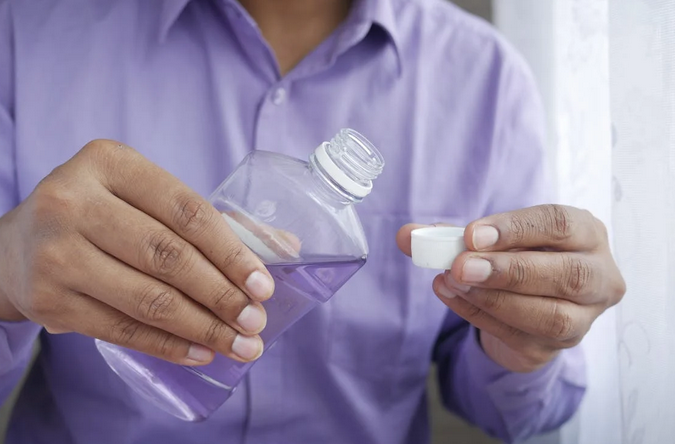
While mouthwash can be a great addition to your oral care routine, many people make the mistake of using it immediately after brushing their teeth. The problem is, that most mouthwashes contain alcohol or other ingredients that can wash away the beneficial fluoride left behind by your toothpaste. Instead of using mouthwash right after brushing, wait a bit before rinsing. This gives your teeth time to absorb the fluoride and lets your toothpaste work its magic. If you prefer to use mouthwash right after brushing, opt for a fluoride mouthwash that won’t interfere with your toothpaste’s effectiveness.

Not Visiting