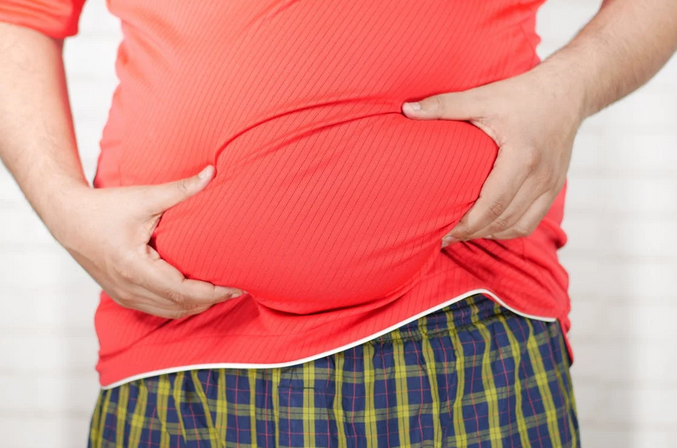
Bloating has a way of showing up uninvited. You wake up fine, eat normally, and by afternoon, your stomach feels like a balloon. Many people shrug and blame food or stress. Others assume it’s just how their body works. The truth sits somewhere else. Bloating is common, but constant bloating is usually a signal. Let’s unpack what science says, minus the medical lecture.
Digestion Speed Matters More Than You Think
That tight, puffy feeling doesn’t mean something is “wrong” with you. It means something is happening inside your gut. Once you understand the triggers, the mystery fades. Relief often follows. See, your digestive system runs on timing. When food moves too slowly, gas builds up. When it moves too fast, nutrients don’t absorb well. Both situations can cause bloating. Slow digestion often comes from stress, low movement, or irregular meals. Chewing also plays a role. Rushed eating pulls air into the stomach. That air has to go somewhere. Eating calmly sounds boring, but your stomach prefers boring over chaos every time.
Gut Bacteria Can Tip the Balance
Your gut is home to trillions of bacteria. Most help you. Some cause trouble when they multiply too much. An imbalance can lead to extra gas production. That gas stretches the stomach, creating pressure and discomfort. Certain foods feed these bacteria more than others. Onions, beans, and dairy can be culprits for some people.
Hormones Play a Bigger Role Than Expected

Hormones affect digestion speed and water retention. Changes during menstrual cycles often bring bloating along for the ride. This isn’t imaginary. It’s chemistry doing its thing. Stress hormones also interfere. When the body stays tense, digestion slows. Blood gets redirected away from the gut. Your stomach notices when your brain won’t relax.
Salt and Sugar Sneak in Quietly
Too much salt pulls water into tissues. That includes your belly. Processed foods make this easy to overdo without realizing it. The result feels heavy and swollen. Sugar alcohols add another layer. They ferment in the gut and produce gas. Many “light” snacks contain them. Labels matter more than marketing here.
Posture and Movement Affect Your Gut
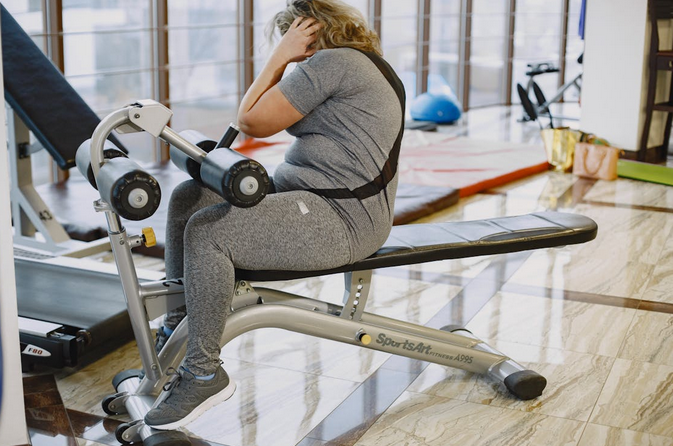
Sitting all day compresses the abdomen. Digestion becomes sluggish. Gas gets trapped. Standing up or walking helps move things along. Movement doesn’t have to be intense. Gentle activity supports natural gut motion. Your body was built to move, even on tired days.
Sensitivity Doesn’t Equal Intolerance
Food sensitivity isn’t the same as an allergy. Some foods irritate the gut lining without causing serious reactions. This irritation can lead to swelling and discomfort. Keeping a simple food journal helps spot patterns. You don’t need to cut everything out. Awareness beats restriction every time. See, bloating isn’t random. It’s feedback.
Your body uses pressure and discomfort to get attention. Listening early prevents bigger issues later. Small habit shifts often bring big comfort. If bloating sticks around despite changes, it’s okay to ask for help. Persistent discomfort deserves attention. Your stomach isn’t dramatic. It’s communicative. Once you understand its language, things feel lighter—literally and figuratively.…






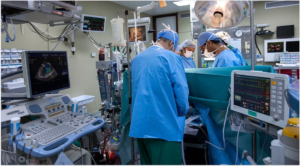 Although most of the hernias do not cause complications, it is better to go for a hernia repair to return the protruding organ in its place. A hernia can also cause complications if the protruding organ begins to die. The organ dies if the blood supply is limited by the tight muscles surrounding it. You need to go for surgery urgently if you note any sign of the protruding part changing color, having immense pain, or limiting you from doing your regular routine. The robotic surgery procedure begins by making a small incision, inserting a tiny camera in the affected area, and the inside image is projected on the screen. The surgeon handles the surgical instruments from a console.
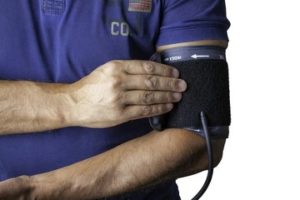 Every person’s health issue is unique and is constantly changing with time. You are needed to research the area of your interest without relying on people. Concerning your specific conditions, there are panels of doctors who are specialized in that field. Analyze your findings and eliminate those you think will not be of help. After choosing, ensure to look for the doctor’s personal information and check his/ her review. With several positive comments on his/her page is an added point, ensure you are certain about your requirement before making your final decision.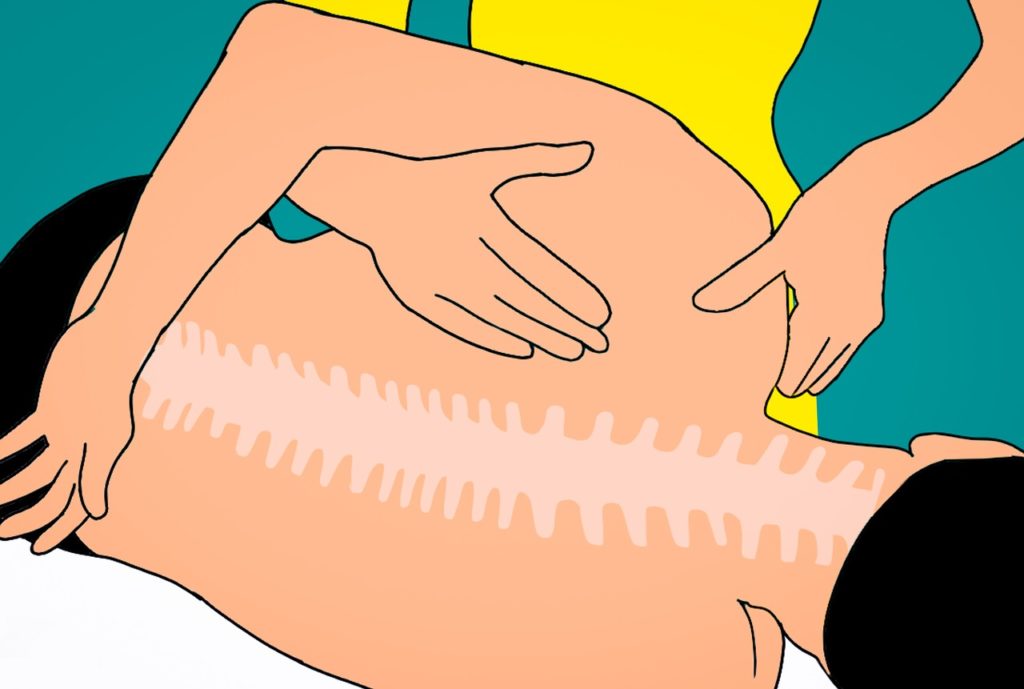




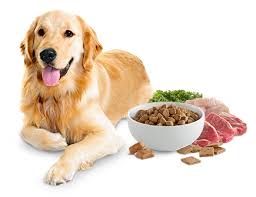 You need to make sure that you carefully inspect the food that you give your dog. It is recommended that you give your dog food that will provide energy based on the breed. Bulldogs require a different type of diet from the small dogs. Bulldogs need energy, and this means that they can crack bones that the small dogs cannot eat meat with huge bones.
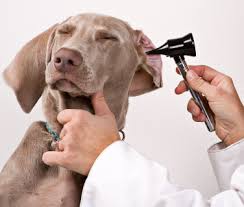 Visiting a vet regularly will make sure that your dog is healthy. During the vet visit, your dog will receive all the vaccine for protection against diseases like rabies.